
Blog • December 3, 2024
Plastic: a Problem and a Solution
On this page
A bit of background about the impetus behind this blog
Plastics are a novel material, mass-produced since the 1907 invention of Bakelite by the Belgian chemist Leo Baekeland. They have a lot of really nice properties from an engineering perspective, including electrical insulation, low thermal conductivity, corrosion resistance, ease of manufacture, plasticity (obviously), low cost, and resilience, among others. As a result of these convenient properties, plastics have penetrated almost every facet of the human environment to an impressive degree: the list of everyday items made using polymers contains the insulation in your walls, the sheets on your bed, the foam of your mattress, the interior of your car, food packaging, the finish on your furniture, practically all home appliances, electronics, laundry detergents, decorative items, cookware, cosmetics, plumbing and electrical systems, and many, many more. This is a good thing on a lot of levels: many or most of these categories have gotten cheaper and more accessible as a result of these changes.
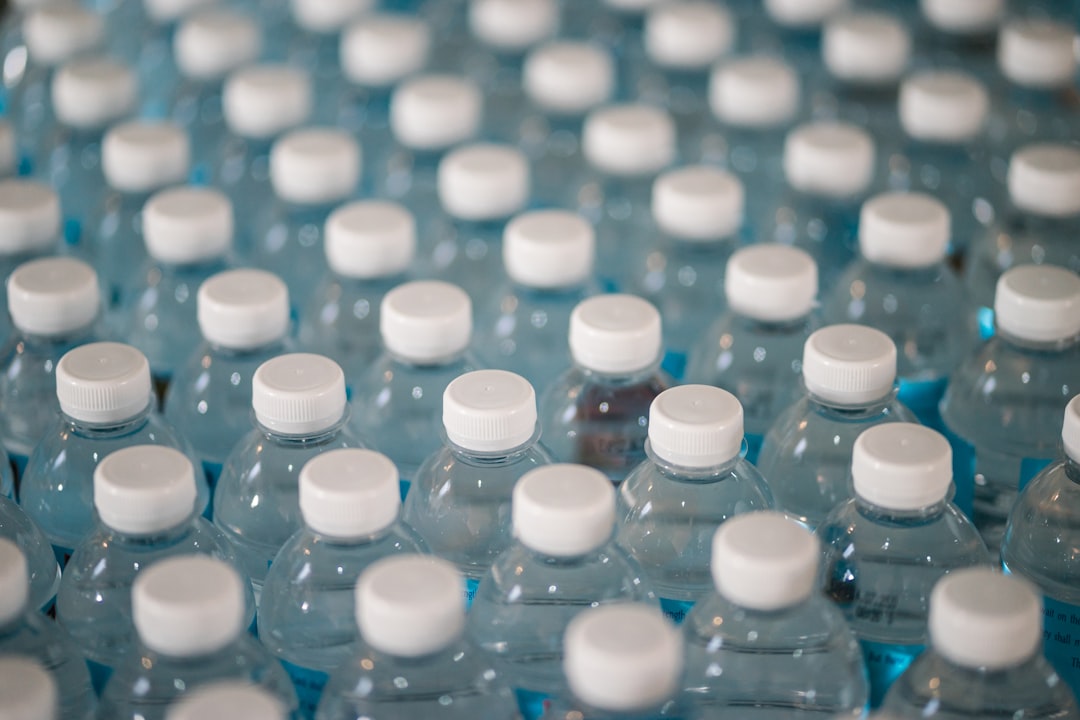
Unfortunately, the other shoe has been dropping in recent decades. For one thing, plastic’s great strength, its durability, has become a double-edged sword with respect to its persistence in the natural environment. Plastic waste is dumped or discarded in the millions of tons each year, where it finds its way into the food chain, the soil, the air, the untouched snow on mountaintops, and massive swirling islands of trash in the oceans.
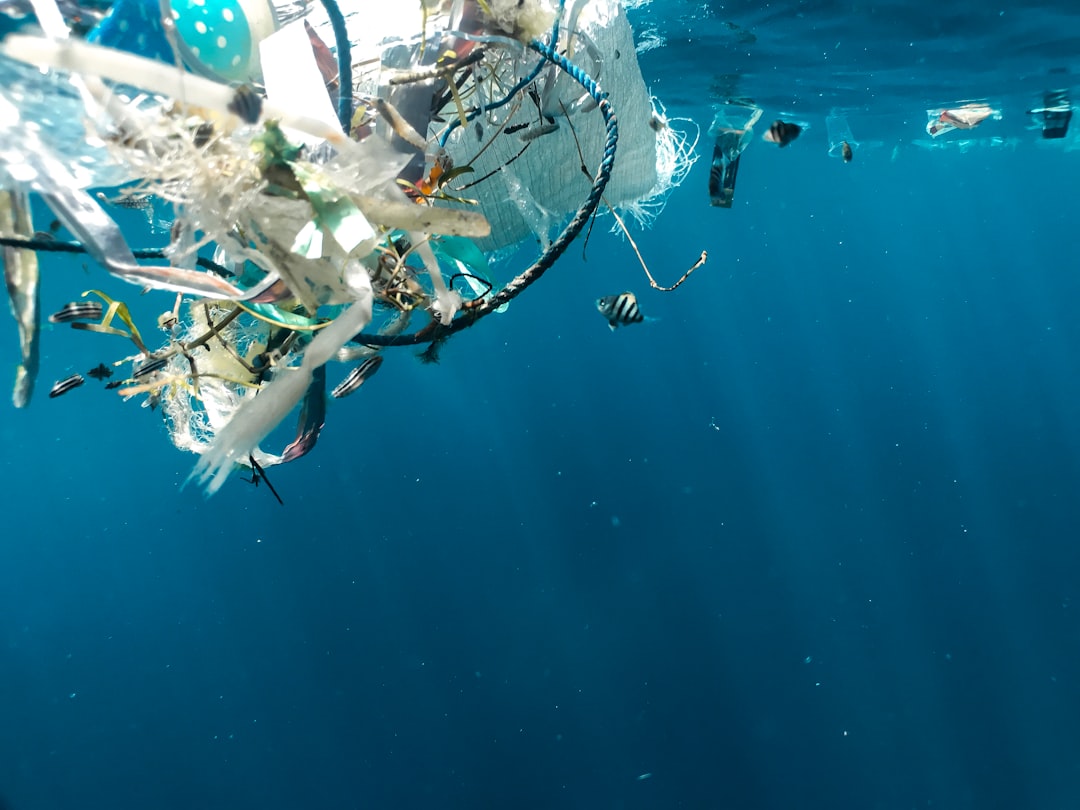
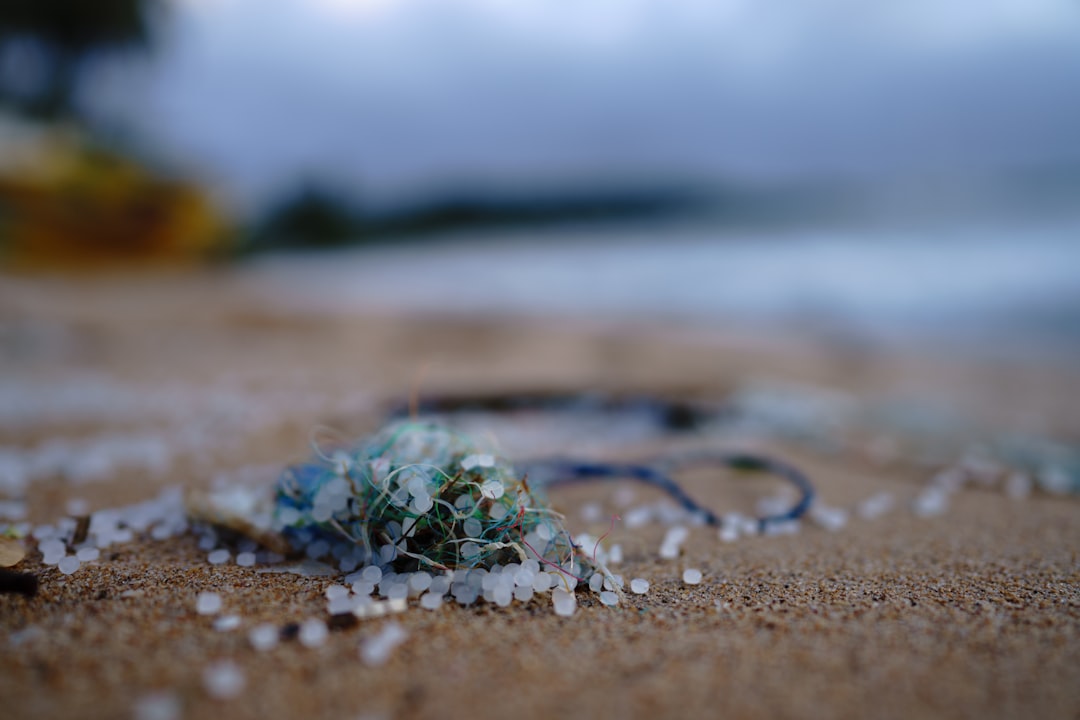
This is gross and engenders an instinctive revulsion in most people who witness it, but the problem has unfortunately turned out even worse than simple pollution: plastic harms animals’ proper biological functioning, particularly with respect to the endocrine system. There’s a giant pool of research linking exposure to microplastics, broken-down plastic particles that are small enough to get places they shouldn’t (like your bloodstream), to chronic disease, mood disorders, developmental issues in children, cancer, and endocrine dysfunction.
Based on this literature, it’s not a stretch to link the suffusion of plastic in the natural environment to certain society-wide trends like the spike in mental health conditions, the collapse in fertility, the increase in obesity, and the generally worsening health outcomes many countries witness each year. Not that plastic alone explains these things, but the role it plays in exacerbating these problems is likely significant.
How do we fix it
The facile answer is to simply stop making or consuming plastic unless strictly necessary, and to gather up all the environmental plastic currently lying around and burn it (in a systematic way which captures the emissions, of course).
The complex answer is the 7 Rs: reduce, reuse, recycle, robots to clean plastic out of the ocean, replace plastics with hormonally-identical bioplastics which take 250 instead of 100,000 years to break down, release genetically engineered bacteria which eat microplastics into every environment on Earth irrespective of potential unforeseen consequences, and resign yourself to disappointment when not one of these things actually takes place because they’re all impractical in various ways.
Tough choice, right? I’d argue not really. I could go point-by-point explaining why none of the complex answer’s components are practical or even solve the actual problem within any human timeframe, but I want to keep this piece brief. Clearly only one of these solutions is within the realm of possibility or punctuality. Unfortunately for us, it’s the facile answer.
What this could look like
Seriously, stopping all plastic consumption except the strictly necessary? How are you going to sell that?
Honestly, I think the simplest way would be to just sell it.
Every product category that plastic currently occupies, barring a few like electrical insulation where it’s really the only practical material to use, has non-plastic alternatives which are perfectly functional but a bit more expensive. What if you simply sell those, and let consumers decide how much plastic exposure is worth to them? What if you build out the industrial infrastructure to meet the basic needs of a whole society without using any unnecessary plastic, and let regulators decide how important citizens’ health is to the government? I genuinely believe that between this and education efforts, “if you build it, they will come.”
This isn’t to say that this will be easy—there are whole product categories where the knowledge of how to use materials other than plastic is completely lost, like automotive coachwork and food packaging. Other categories are ubiquitous in the built environment, but subject to consumption choices of only a few entities (as opposed to general consumers), for example geotextiles, construction materials like vinyl siding and foam insulation, furniture in public spaces, and electronics, among others. Solving all the various aspects of this problem will require real effort, investment, innovation, risk-taking, and inevitably a few failures.
However, the promise of today’s market conditions is that anyone who can furnish a suitable plastic-free product will immediately command a monopoly in those markets where there is currently no alternative. Monopolies are a big incentive to innovate and invest, as the profits can be very high initially! And just as the world has seen with every advance in technology, whether it’s an automobile in the early 20th century or an iPhone in 2008, products of superior quality are expensive and exclusive in the beginning, then become more accessible as production techniques evolve, until they end up an endemic technology accessible to almost everyone. The best-case scenario for the environment and human well-being is that this process takes place replacing plastic with higher-quality and safer materials in every sector where this is possible, and market incentives quickly make these alternatives cheap, accessible, and
 biquitous.
The purpose of this blog
The above probably makes sense, but the question remains: how does this blog achieve any of these things? Well, there are 3 things this blog is trying to do, each of which contributes in its own way:
-
Raise awareness of the emerging evidence on microplastic contamination—some people know a bit, but most people could benefit from more, and more accessible, information on this topic.
-
Provide people an immediate, useful, and convenient path of action. As someone who was born in 2000, I’ve been inundated in material painting a grim picture of the environment and its future basically since I could read. My big complaint with these is that, in general, they leave the reader feeling helpless, small, and incapable of making a difference. As a result, over time, readers become inured to the panicked tone and stop wanting to think about the problem at all, a phenomenon sometimes known as “learned helplessness”. I want to avoid this outcome for the readers of this blog, especially because it isn’t necessary! An upper middle class income, I’d estimate, can afford to cut their microplastic exposure by ~90%1, today, without even waiting for any new products to come to market. If an exhaustive list of existing plastic-free products is provided, presented in convenient format, and optimized for quality and value, the time and money burden of meaningfully fixing this problem can be slashed exponentially. Furnishing this exhaustive, convenient list is therefore the purpose of this blog.
-
Create a space for people who want to build businesses to help replace plastics on consumer markets. I’ve mentioned a few times already in this piece that for certain types of product, there is simply no alternative to plastics. Thus, the responsibility falls to those with the freedom, aptitude, and inclination to build these alternatives. Starting a business, let alone one which physically manufactures products, is a pretty difficult process to undertake alone. My hope is that this blog gains traction, a community full of competent and interested people forms, and these people are able to make connections with each other to build new businesses, products, and lifestyle strategies which help drastically reduce plastic production and consumption. In the long run, participating in such a network could become extremely valuable, and of course it’s simply fun to spend time in spaces full of driven, interesting people who share your interests.
As a result of these 3 purposes, the majority of the content which I post on this blog will take the form of maintained lists of plastic free products, with some analysis about the various quality points and tradeoffs thereof, and in the long run I hope to add itemized cost breakdowns. I’ll be using affiliate links where possible, to generate a secondary income stream for my own plastic-free business projects (more to come on that, hopefully, in the future). The goal is to provide resources which slash the effort and time required to make conscious consumer choices to avoid plastic. Using this structure, it should be possible to lower barriers people face in choosing healthier products, collaborating with like-minded people, and getting digestible and accurate information on the problem of plastic pollution.
Thanks for reading this far. I hope this vision appeals to you, and if so I welcome you to look through the various resources I have compiled here! Please, don’t hesitate to comment or email me if you discover a product listing which is out of date, erroneous information, a broken link, a typo, or just an idea or thought you have. Your engagement will help this blog grow!