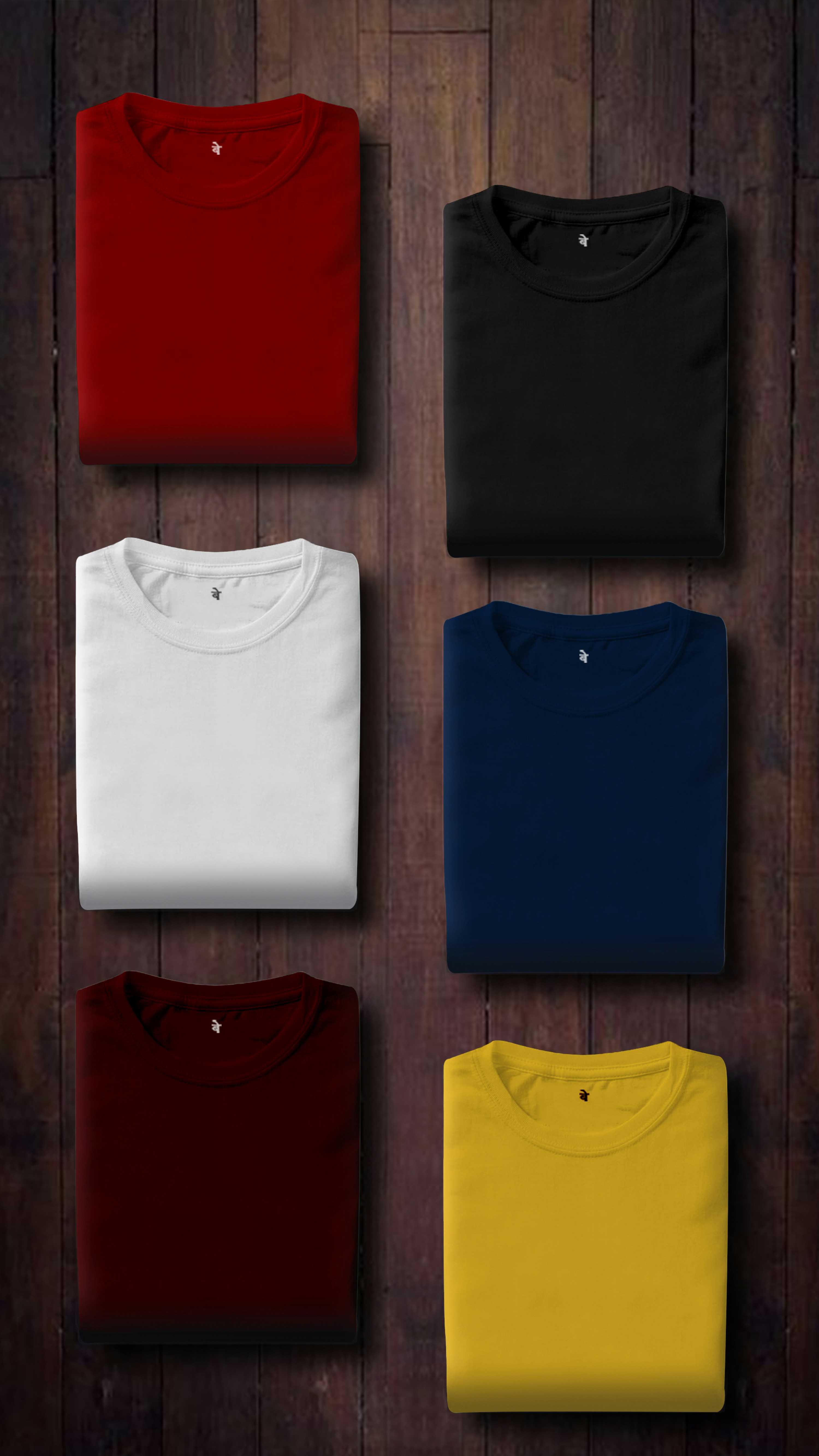
Clothing is apparel made from fabrics, often also including thread, padding, reinforcement, decorations, and linings. Considered from the perspective of plastic contents, only the makeup of the fabrics themselves, along with the other ingredients if present, needs investigation.
Table of fabrics
Plant Fibers (non-plastic)
| Fiber Name |
Notes |
| Cotton |
Most common natural fiber |
| Linen (Flax) |
Strong, breathable |
| Hemp |
Durable, low-input crop |
| Ramie |
Rare but appears on US labels |
| Jute |
Rare in garments, more in blends |
| Kapok |
Very rare, mostly filling |
| Bamboo (Viscose) |
Chemically processed cellulose |
| Rayon / Viscose |
Regenerated cellulose |
| Modal |
High-wet-strength rayon |
| Lyocell (Tencel) |
Solvent-spun cellulose |
| Cupro (Bemberg) |
Regenerated cellulose from cotton linters |
| Acetate |
Semi-synthetic, cellulose-based |
| Triacetate |
Similar to acetate |
Animal Fibers
Leather + Others
| Material |
Notes |
| Leather |
Animal hide |
| Suede |
Under-layer of leather, usually sanded for texture |
| Shearling |
Wool-on leather |
| Sheepskin |
Similar to shearling |
| Natural Rubber |
Used as an alternative to elastane, some waterproof fabrics |
| Paper Fiber / Washi |
Rare; Japan-made garments |
True Petroleum-Derived Plastics
Natural Fibers Treated With Plastic
Thread
Thread is the structural backbone of most garments, holding seams together and anchoring hems, pockets, and closures. Historically it was made from cotton, linen, or silk, but modern clothing overwhelmingly uses polyester thread because it is extremely strong, abrasion-resistant, and cheap. Polyester thread also survives industrial sewing speeds without breaking and has just enough stretch to tolerate strain in seams. Natural-fiber threads exist and work well for lighter garments, but they are more expensive, weaker under tension, and can degrade faster.
To avoid plastic thread, look for garments marketed as “100% natural,” “no synthetic thread,” or “cotton thread construction.”
Padding, insulation, and fill materials
Padding gives clothing shape, insulation, and resilience. In jackets, coats, bras, and structured garments, the role of padding is to trap air, resist compression, and restore loft. Polyester fiberfill is dominant because it’s cheap, springy, hypoallergenic, washable, and thermally stable; polyurethane foams add structure and cushioning in technical or sculpted pieces. Natural fills like wool, cotton batting, goose down, or silk can accomplish the same roles with varying performance profiles, but they cost more, compress differently, and often require gentler care.
Interfacing, stiffeners, and reinforcement materials
Reinforcement layers give garments shape, like blazer lapels or shirt collars have. Traditional tailoring relied on horsehair canvas, cotton canvas, and starched fabrics like buckram. Most modern reinforcement layers are synthetic, even in natural-fiber garments; the most common are polyester and nylon interfacings with heat-activated plastic adhesives. These synthetic interlayers fuse instantly with a press, speeding up manufacturing greatly and producing consistent results without hand-sewing. Natural alternatives require skilled labor, hand-pad-stitching, and time, and thus cost more.
To avoid plastic reinforcements, look for unstructured garments (like T-shirts), traditionally tailored jackets (“floating canvas”), or shirts marketed as having “sewn,” not “fused,” interlinings.
Buttons, zippers, trims, elastics, and decorations
Decorations and fasteners often reintroduces plastic even when the main fabric is natural. Buttons can be metal, shell, wood, or corozo, but the cheapest and most common are plastic (polyester or nylon). Zippers often have metal teeth but plastic coils; lace, mesh, and appliqués are frequently polyester; sequins are nearly always plastic films; elastics usually require spandex fibers, although some alternatives exist in niche markets; and decorative embroidery thread is very often polyester for sheen and durability. Plastics dominate here because they enable fine detail, colorfastness, elasticity, and mass production at negligible cost.
Avoiding plastic trims requires brands that explicitly use natural buttons, cotton lace, metal zippers, and minimal ornamentation. Simple garments with fewer decorative elements are far easier to source plastic-free.
Lining materials
Linings improve comfort, reduce friction, hide internal construction, and help garments slide over the body. While linings were historically silk or fine cotton, modern production overwhelmingly relies on polyester or nylon because they’re smooth, cheap, strong, and resistant to wrinkling. Cellulose-based fibers like viscose, rayon, cupro/Bemberg, and lyocell are comfortable non-plastic alternatives, though they’re more expensive and sometimes require careful laundering.
To avoid plastic linings, look for silk-lined or cupro-lined garments, or designs marketed as unlined or “half-lined.” High-end tailoring and certain heritage brands still use non-synthetic linings, but mass-market apparel almost never does.