
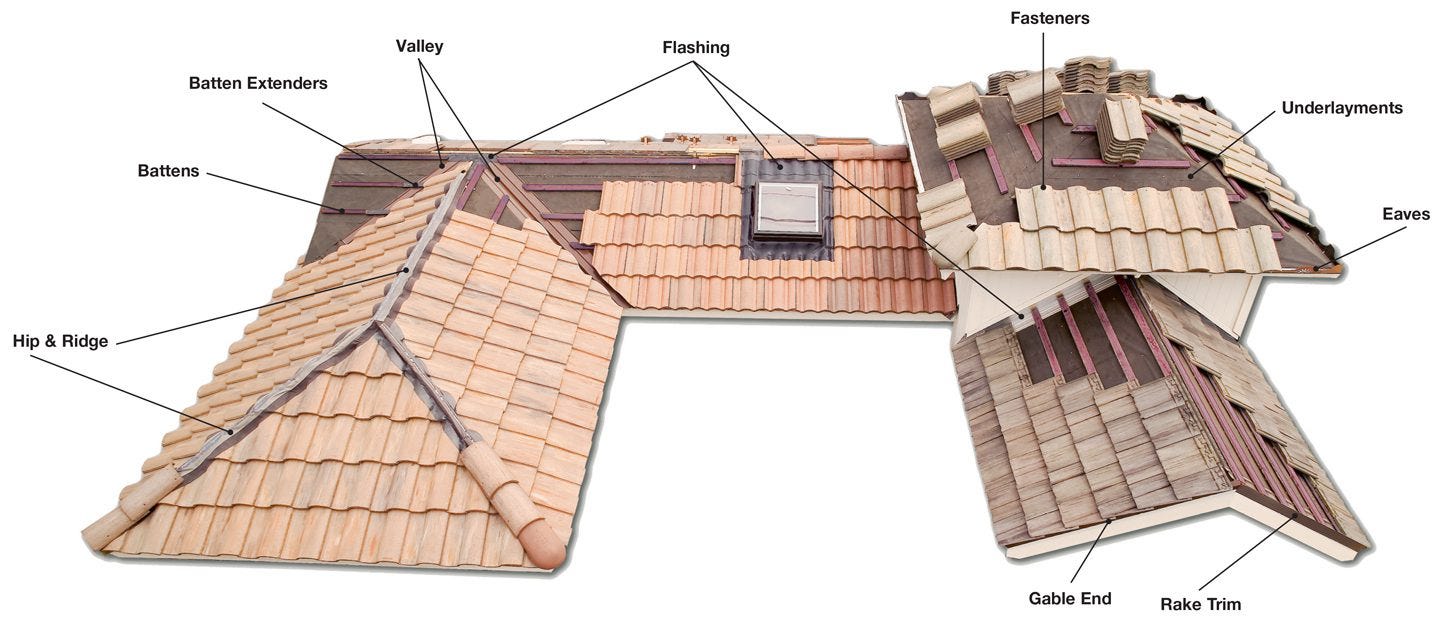
Roofing refers to the materials, methods, and structures used to cover buildings and protect them from weather conditions. Modern roofing solutions vary based on climate, building design, cost, and durability requirements. Roofs can be divided into two categories based on shape: sloped and flat. Within each category there are broadly overlapping features, but primary materials can vary significantly. Metal, stone, plastic, wood, ceramics, and concrete are all used in various contexts as roofing materials.
Though construction techniques can vary widely, roofs must in principle keep out the elements, including precipitation and ambient air. Thus, insulation and sealants commonly figure into roof construction.
Asphalt shingles

Asphalt shingle roof
One of the most widely used roofing materials, asphalt shingles are cost-effective, easy to install, and available in a variety of styles. 11 million tons of of asphalt shingle roofing scrap are generated in the US each year. [1]
Asphalt shingles are made of fiberglass base and a layer of bitumen/asphalt. Historically, instead of fiberglass, shingles used cellulose as a base, in the form of sturdy recycled paper and various wood pulps. In the current day, cellulose roof shingles are disfavored by manufacturers as they’re less fire resistant than fiberglass.
Metal
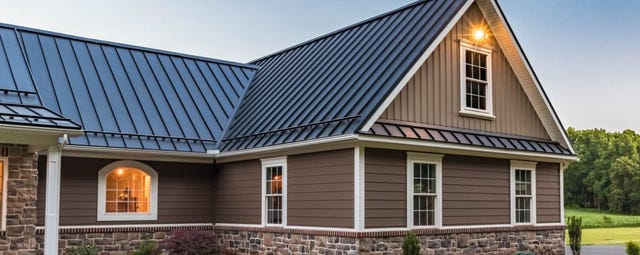
A standing seam metal roof
Standing seam metal roofs and metal shingles made from steel, aluminum, copper, or zinc are durable, fire-resistant, and recyclable. Metal roofs are known for their longevity and ability to withstand extreme weather conditions. Metal rooftops are usually painted or powder coated to protect against corrosion, which can be a vector for the release of microplastics into the environment. They are also somewhat more expensive than some other roof types.
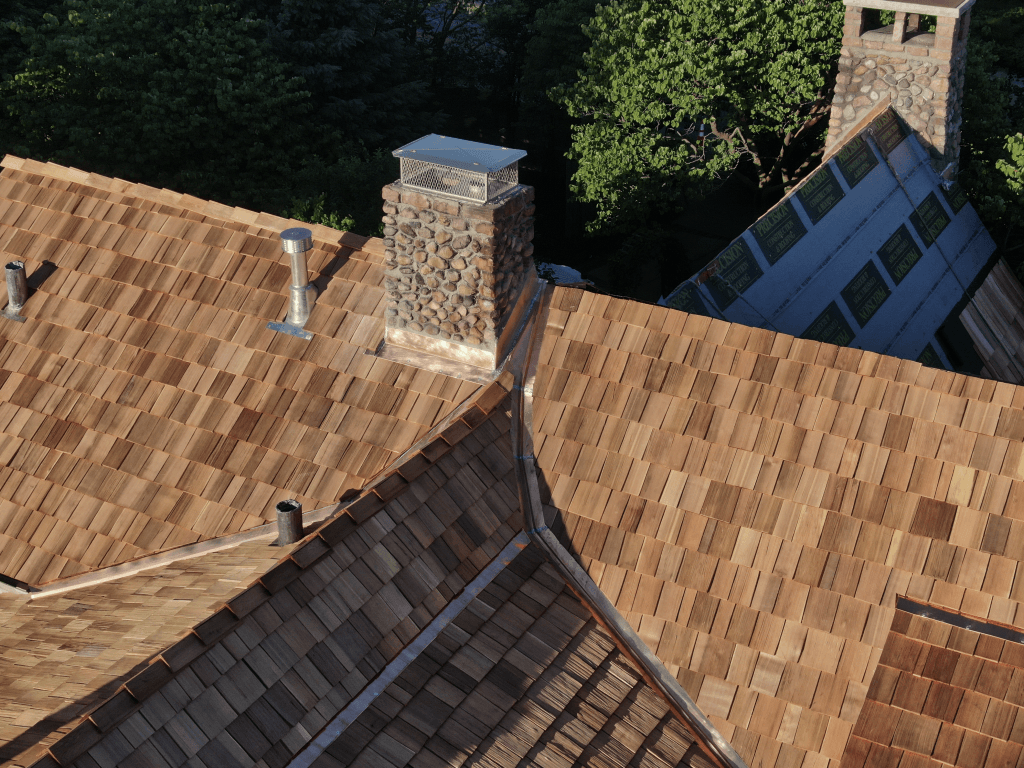
These materials offer durability, fire resistance, and a traditional aesthetic. Clay tiles are often used in Mediterranean, Spanish, and Southwestern architectural styles, while concrete tiles provide similar benefits at a lower cost. Properly installed and maintained, they can be very long-lasting and practical in rainy climates. Slate tile roof Natural stone slate is highly durable and offers a distinctive appearance. It is resistant to fire, weathering, and insects, but it is also heavy and requires a reinforced roof structure. Because stone is such a common material in all climates and environments, the breakdown and disposal of these roofs present no known biological or environmental hazards. Roof made of wood shakes Cedar, redwood, and other types of wood are used to create shingles and shakes. These materials provide a natural look but require regular maintenance and may be treated for fire resistance. Like with most wood products, manufacturers often use plastic finishes, treatments, and adhesives to improve the durability and appearance of the product. This can pose a risk of microplastic contamination.Clay and concrete tiles

Slate

Wood shingles and shakes
Built-up roofing (BUR)
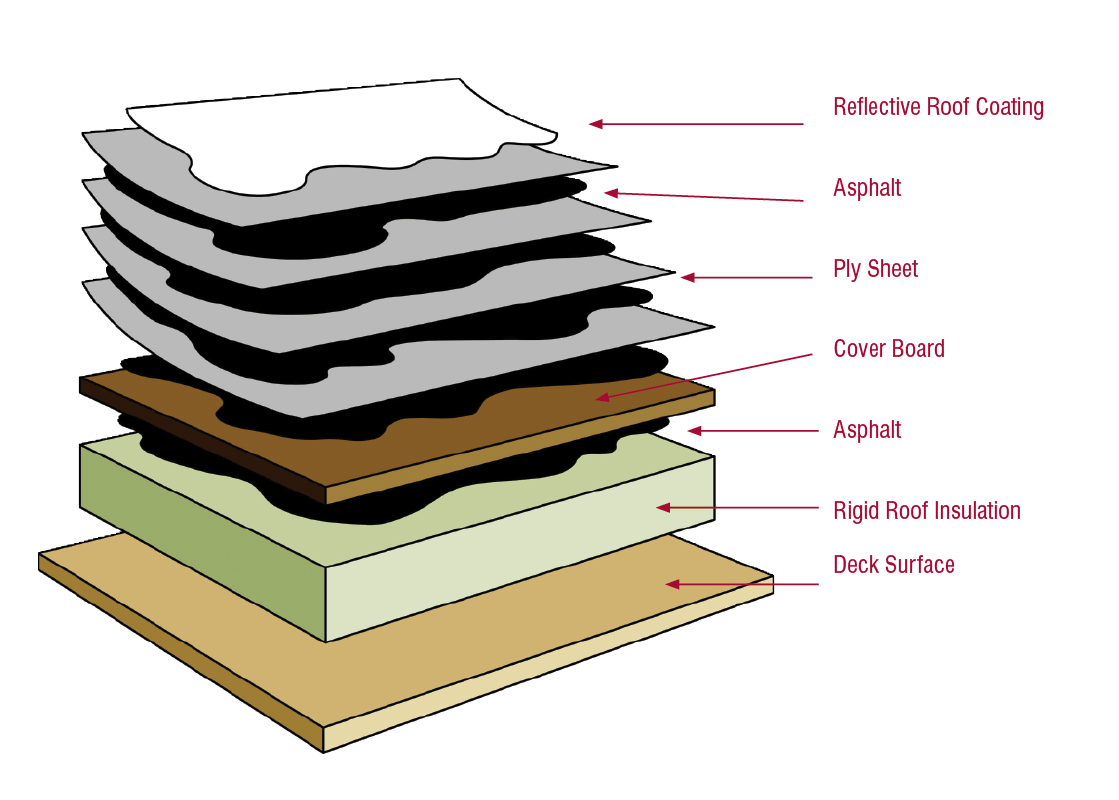
Built-up roofing diagram
Composed of multiple layers of asphalt and reinforcing fabric—typically fiberglass or polyester mats—BUR is a traditional flat roofing method that provides durability and water resistance. It is relatively low-cost and performs well under foot traffic, but the plastic-based reinforcement and heat-based installation raise environmental and safety concerns.
Modified bitumen roofing (MBR)
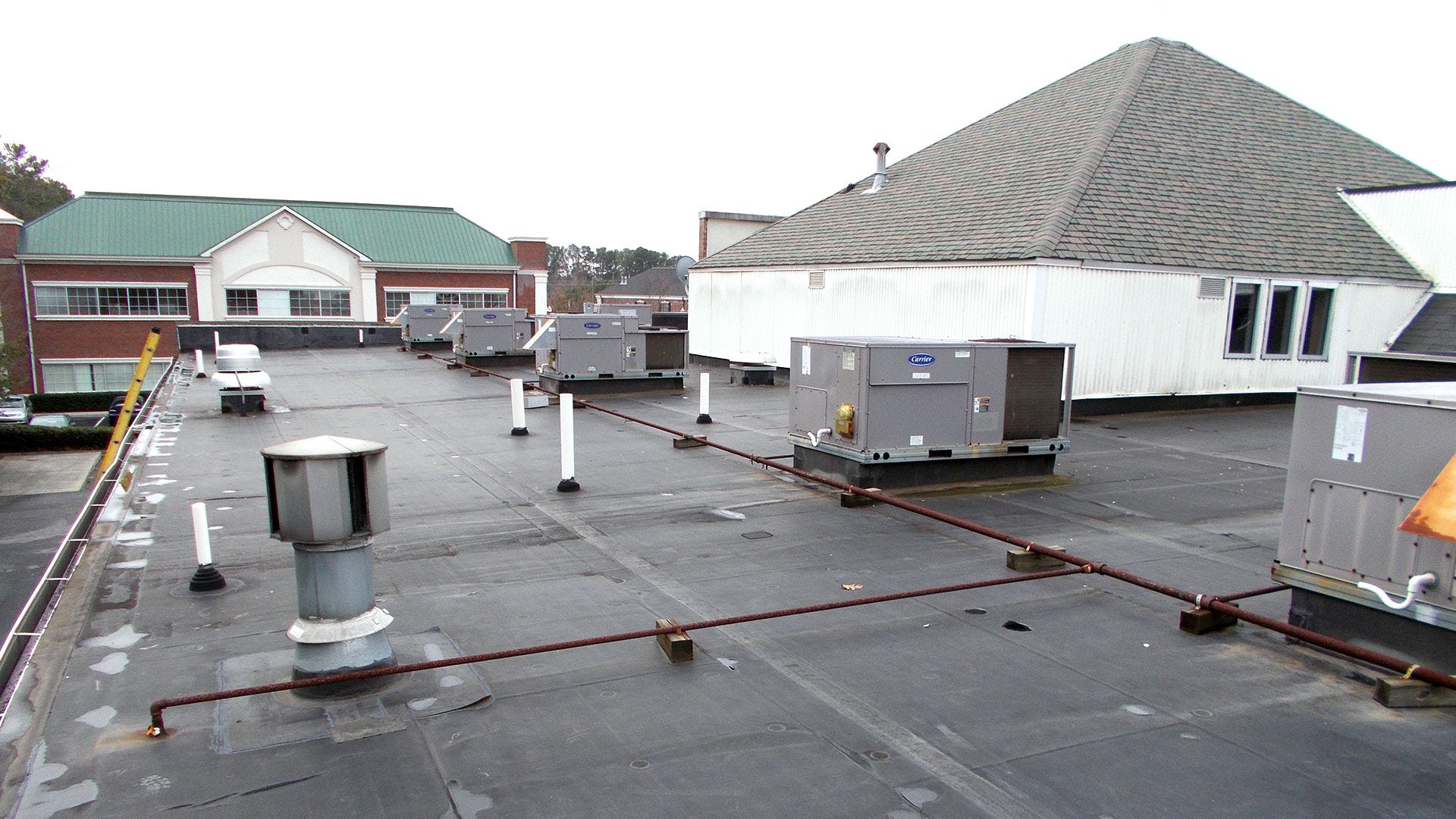
An MBR roof
An evolution of BUR, modified bitumen roofing incorporates polymer-modified asphalt sheets that are heat-welded or adhered to the roof. The polymers (typically APP or SBS) improve elasticity and resistance to temperature changes. However, MBR systems rely on plastic-based binders and roll materials.
Single-ply membrane roofing

An EPDM membrane roof
These include thermoset (EPDM) and thermoplastic (TPO, PVC) membranes, which offer flexibility, energy efficiency, and resistance to UV radiation. EPDM is made from synthetic rubber, while TPO and PVC contain plasticizers and reinforcing agents. These systems are lightweight and often white to reflect heat, but they are entirely plastic-based and degrade into microplastics over time.
Flat metal
Flat metal roofs, typically made from steel, aluminum, or copper, can be installed with soldered or mechanically fastened seams to create a watertight barrier. Their reflective surfaces help with energy efficiency, and they are highly recyclable. However, like other metal systems, they require coatings to prevent corrosion, which may introduce synthetic polymers.
Green roofs
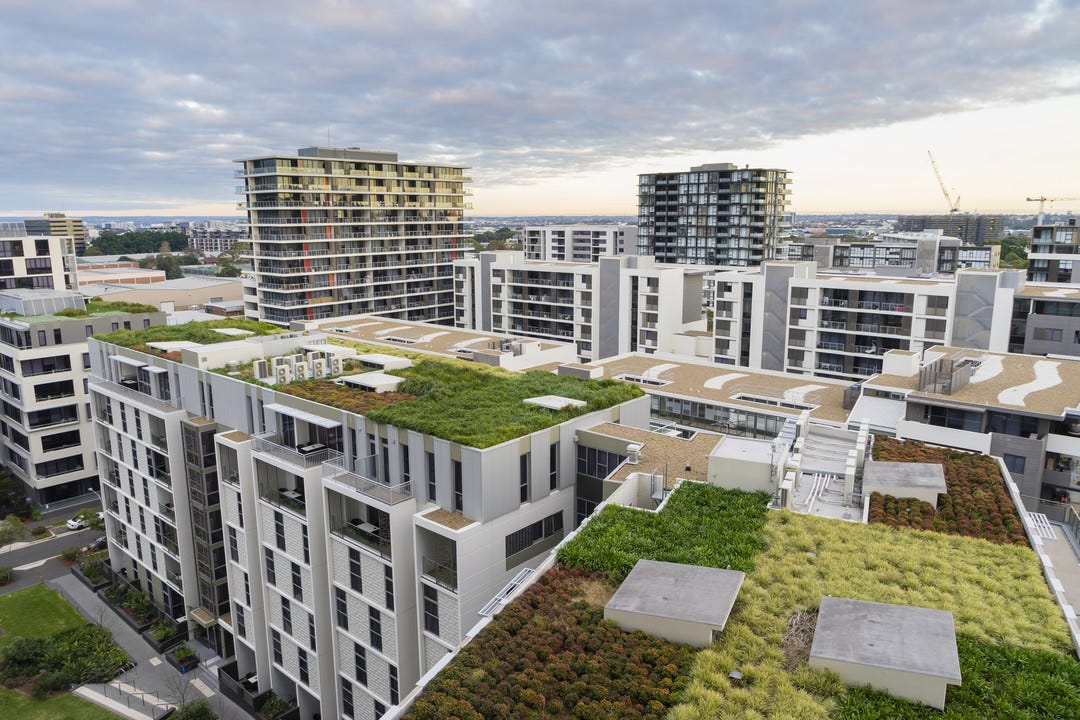
Green roofs
These systems incorporate vegetation and soil over a waterproof plastic membrane, providing insulation, stormwater management, and aesthetic benefits. The base membranes are usually synthetic, and root barriers and drainage layers often include HDPE or PVC. Still, the ecological and aesthetic benefits of green roofs can be significant, especially in urban areas with heat island effects.
Composite roof tiles
Composite tiles are made from a blend of materials such as recycled plastics, rubber, and mineral fillers. Designed to mimic the appearance of slate, wood, or clay, they are lightweight, often hail-resistant, and require less structural support. Downsides include potential offgassing, reliance on petroleum-based polymers, and local microplastic contamination as the tiles weather and break down.
ICF and solid concrete roofs

ICF roof diagram
Insulated concrete forms (ICFs) are used to construct monolithic roof decks by pouring concrete into foam molds, which remain in place as permanent insulation. Alternatively, roofs may be poured as solid concrete slabs. These roofs offer exceptional strength, fire resistance, and longevity, and can double as decks or green roofs. However, their high embodied carbon and reliance on foam insulation (usually polystyrene or polyurethane) introduce sustainability concerns.
Underlayment
Underlayment is a layer of water-resistant material placed between the primary roof exterior and the frame of a house or building. Most commonly made from a material called roofing felt, which consists of a fabric, usually fiberglass or cellulose fabric, saturated with bitumen, it’s generally used as a moisture barrier.
Fasteners
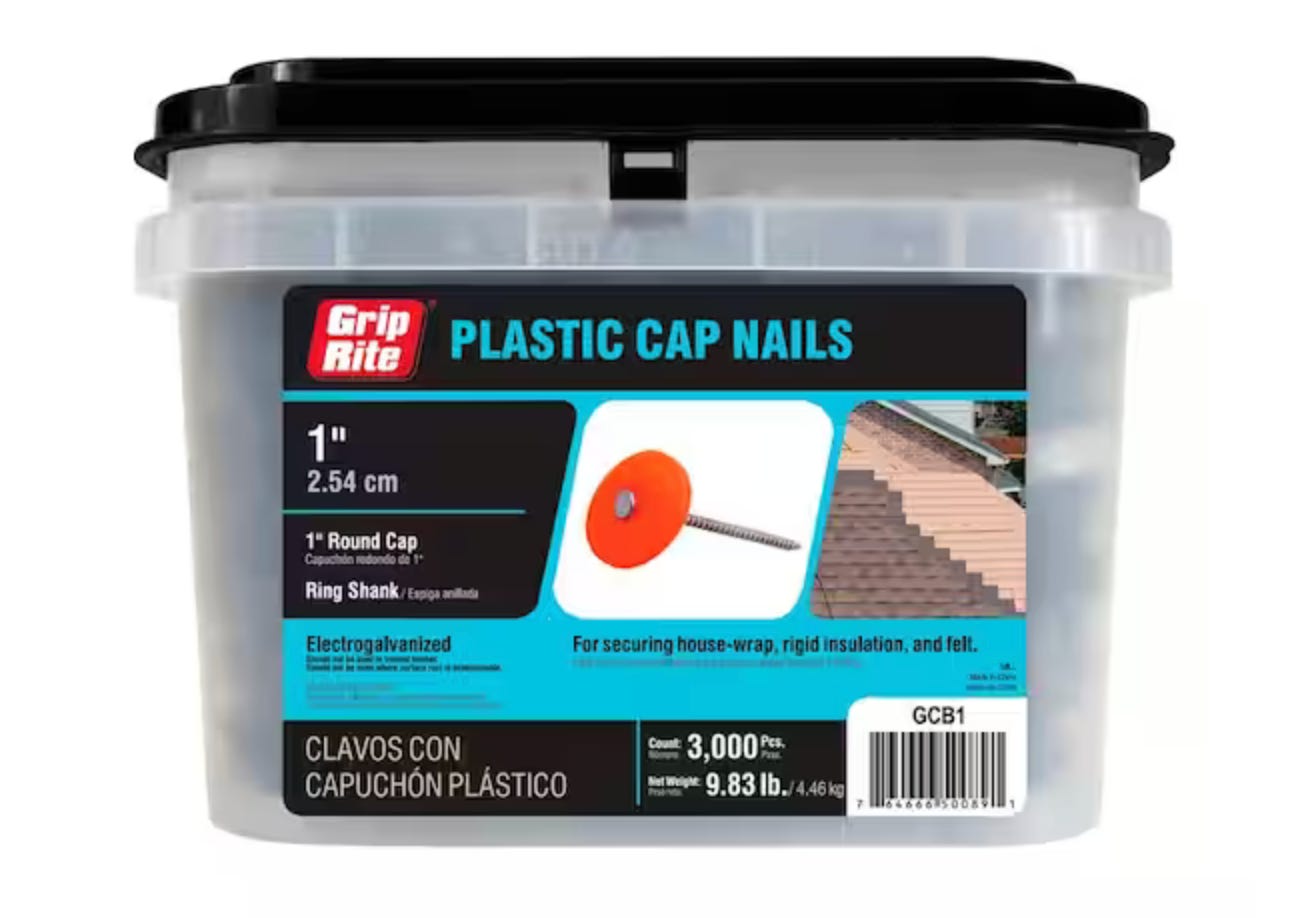
Plastic cap roof shingle nails
Fasteners serve to secure the roof structure to the building and to attach roofing materials to the roof frame. Common types include nails, screws, staples, and hurricane straps or brackets. These are typically composed of various types of galvanized or stainless steel, or other metals like zinc. Modern nails and screws are sometimes equipped with plastic washers, which function to distribute load more evenly and reduce tearing or deformation of the roofing material.
Flashing

Flashing between an exterior brick wall and a shingle roof
Flashing is installed at roof junctions, such as those around chimneys, vents, or adjoining walls, to prevent water intrusion. Typically made from metal, modern flashing often includes synthetic components such as polymer-based adhesives, sealants, or powder coatings. Historically, lead sheets were embedded directly into masonry (a technique known as through-wall flashing), while earlier still, techniques like flaunching used extra mortar to direct water away. The widespread use of tin-coated iron in flashing dates back to the early 1800s, reportedly popularized by Thomas Jefferson during the construction of Monticello. Rather than lead brazing or extra mortar, today’s systems rely on plastic-based sealants and caulk.
References
- ROOFING SHINGLE SCRAP, U.S. Federal Highway Administration, 2016.